Caregiver vs Nurse: What Does Your Elderly Loved One Actually Need?
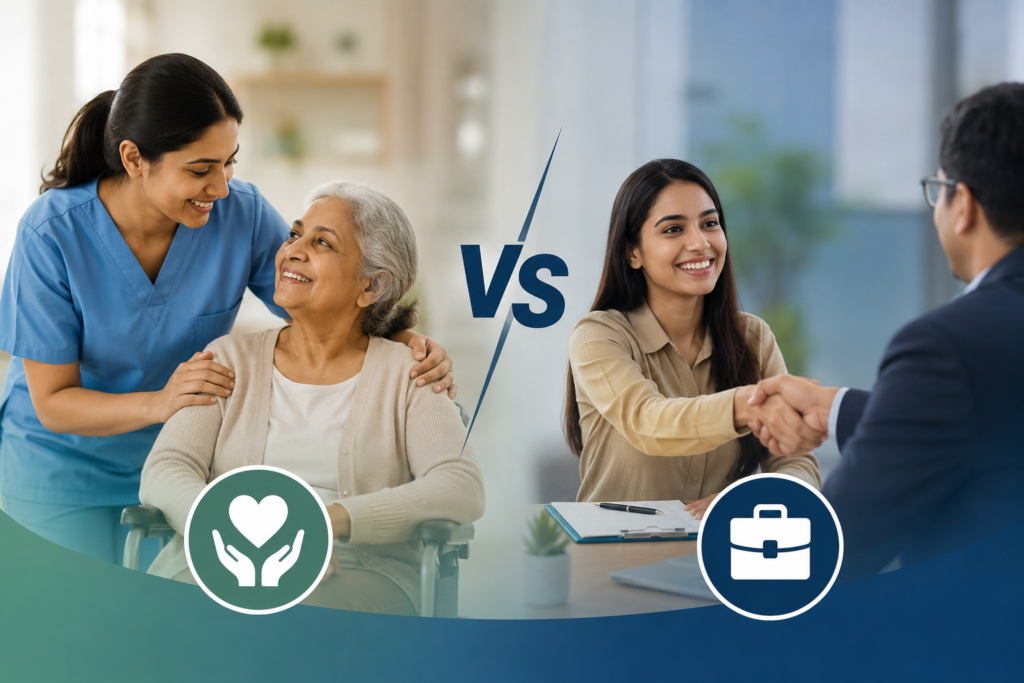
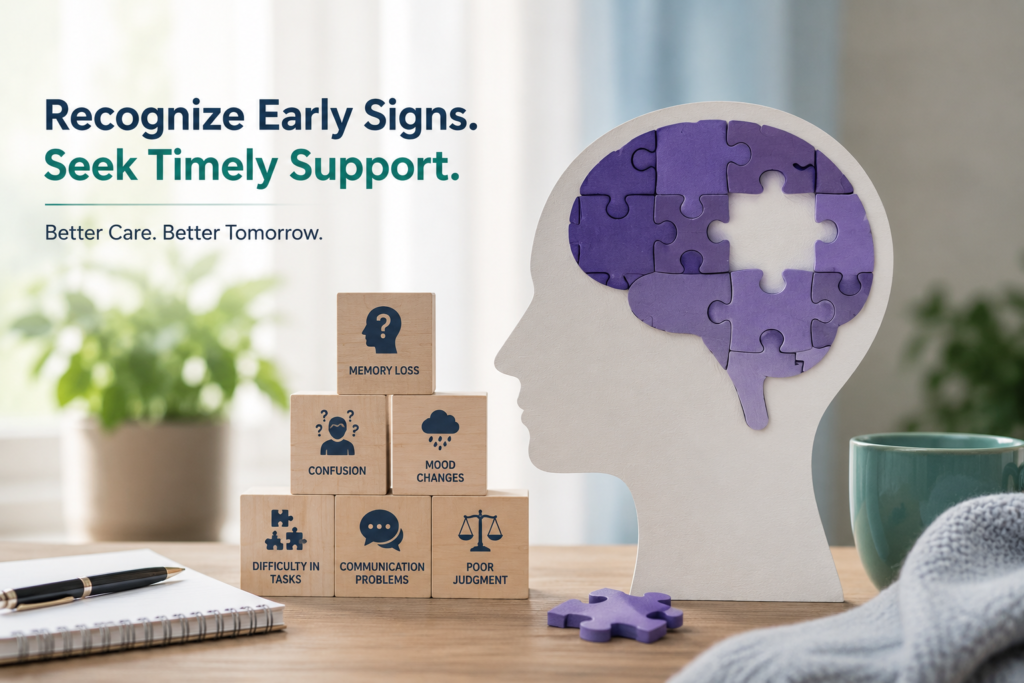
Caregiver vs Nurse for Elderly: What Does Your Loved One Actually Need? As parents and grandparents age, families often face an important question: should they hire a caregiver or a nurse? While both play valuable roles in supporting seniors, understanding the Caregiver vs Nurse for Elderly debate can help you choose the right level of care for your loved one. Many families assume that caregiving and nursing are the same, but their responsibilities, qualifications, and services differ significantly. The right choice depends on your loved one’s health condition, daily living needs, and level of independence. Understanding the Difference Between Caregiver and Nurse One of the most common questions families ask is about the Difference Between Caregiver and Nurse. Although both provide support to seniors, their roles are distinct. What Does a Caregiver Do? A caregiver primarily assists seniors with non-medical daily activities. Their goal is to help older adults maintain comfort, dignity, and independence at home. A caregiver may assist with: Personal hygiene and grooming Bathing and dressing Meal preparation Medication reminders Light housekeeping Grocery shopping Companionship and emotional support Mobility assistance Many families looking for a Personal home caregiver Kolkata choose caregivers when their elderly loved ones need daily support but do not require medical treatment. What Does a Nurse Do? A nurse is a licensed healthcare professional trained to provide medical care and monitor health conditions. A home nurse may provide: Medication administration Wound care and dressing changes Vital sign monitoring Injection administration Catheter care Post-surgical recovery support Chronic disease management When an elderly person has complex medical needs, Home Nursing for Elderly in India becomes a more appropriate option. Home Nurse vs Caregiver for Seniors: Key Differences When comparing home nurse vs caregiver for seniors, the main distinction lies in the type of care provided. Caregiver Nurse Provides non-medical assistance Provides medical care Helps with daily activities Manages health conditions Offers companionship Performs clinical procedures No nursing license required Licensed healthcare professional Suitable for independent seniors needing support Suitable for seniors with medical needs Understanding these differences helps families make informed decisions and avoid paying for services that may not be necessary. What Type of Care Does an Elderly Person Need? The answer depends on the senior’s physical, emotional, and medical condition. A Caregiver May Be the Right Choice If: The senior is generally healthy They need help with daily routines They feel lonely or isolated Family members need respite support They require supervision for safety Professional caregivers provide meaningful companionship while helping seniors remain comfortable in their own homes. Families considering long-term support can also explore the benefits of hiring a full-time senior caregiver to understand how dedicated caregiving improves safety, emotional well-being, and daily quality of life. For families exploring long-term support options, this guide on full-time senior caregiving benefits explains how dedicated caregivers can improve quality of life and independence. A Nurse May Be the Right Choice If: The senior is recovering from surgery They have chronic illnesses such as diabetes or heart disease They require injections or wound care Their condition requires medical monitoring A doctor recommends skilled nursing support In these situations, professional nursing care ensures that medical needs are managed safely and effectively. Can Families Benefit from Both Services? Absolutely. Many seniors benefit from a combination of caregiving and nursing support. For example, a senior recovering from a stroke may require a nurse for medical treatment while also needing a caregiver for assistance with daily activities. This blended approach provides comprehensive in-home care for seniors, addressing both health and lifestyle needs. Families can explore professional elder care services that combine caregiving and nursing support based on changing care requirements. Why In-Home Care Is Becoming More Popular Across India, more families are choosing home-based senior care instead of institutional care facilities. Benefits include: Familiar home environment Personalized attention Greater comfort and independence Reduced stress and anxiety Flexible care plans Better family involvement The demand for home healthcare services is also growing rapidly across the region. According to recent industry research, the Asia-Pacific home healthcare sector continues to expand as families seek convenient and personalized care solutions. Signs Your Elderly Loved One Needs Professional Support Consider seeking professional care if you notice: Difficulty managing personal hygiene Frequent falls or mobility issues Forgetfulness affecting daily routines Missed medications Increased loneliness or social withdrawal Recovery after hospitalization Ongoing medical conditions requiring supervision Early intervention often improves outcomes and helps seniors maintain independence for longer. Choosing the Right Care for Your Loved One The decision between a caregiver and a nurse should be based on actual care needs rather than assumptions. If your loved one needs companionship, assistance with daily activities, and routine support, a caregiver may be sufficient. If they require medical treatments, health monitoring, or specialized clinical care, nursing services are likely the better choice. In many cases, combining both services creates the most effective support system for aging adults. Understanding the Caregiver vs Nurse for Elderly comparison is essential for making informed care decisions. While caregivers focus on daily assistance and companionship, nurses provide skilled medical care. Evaluating your loved one’s physical health, emotional well-being, and medical requirements will help determine the most suitable option. Whether you choose a caregiver, a nurse, or a combination of both, the ultimate goal is to ensure safety, comfort, dignity, and a better quality of life for your elderly family member. FAQs 1. What is the Difference Between Caregiver and Nurse? A caregiver provides non-medical assistance with daily living activities, while a nurse delivers professional medical care and health monitoring. 2. Is a caregiver enough for elderly parents living alone? If the senior is generally healthy but needs help with daily activities and companionship, a caregiver may be sufficient. 3. When should I choose Home Nursing for Elderly in India? Home nursing is recommended when seniors require medical treatment, post-surgical care, wound management, or chronic disease monitoring. 4. Can a caregiver administer medicines? Most caregivers can provide medication reminders, but administering medications typically falls under nursing