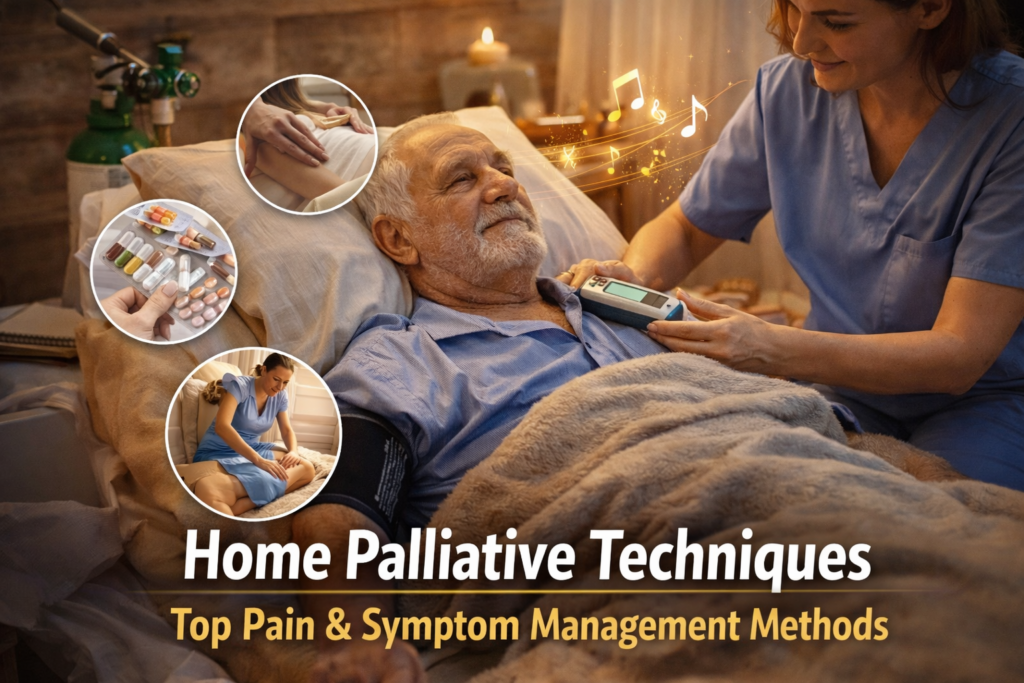
Complete Guide to Home Palliative Techniques for Pain and Symptom Relief
Home Palliative Techniques: Top Pain & Symptom Management Methods Providing quality care for terminally ill patients at home requires expertise, compassion, and a systematic approach. Home palliative techniques play a critical role in managing pain and symptoms, improving quality of life, and ensuring comfort during end-of-life care. Families in Kolkata increasingly seek Home Palliative Care Services in Kolkata to benefit from professional guidance and expert support. Understanding Home Palliative Care Home palliative care methods are designed to provide holistic care for patients with terminal illnesses. Unlike hospital care, these techniques focus on patient comfort, emotional support, and minimizing physical distress while allowing patients to remain in familiar surroundings. Key features include: Multidisciplinary care approach involving doctors, nurses, and therapists Symptom relief tailored to individual patient needs Emotional and spiritual support for both patients and families Top Pain Management Techniques Pain management is central to home palliative techniques. Effective strategies include: 1. Medication-Based Pain Relief Use of opioids and non-opioid analgesics under supervision Personalized dosing to minimize side effects Close monitoring for adverse reactions 2. Non-Medical Pain Relief Methods Massage therapy to ease muscle tension Heat or cold compresses for localized discomfort Relaxation techniques, breathing exercises, and guided meditation 3. End-of-Life Care Techniques Positioning to relieve pressure sores and improve comfort Gentle stretching and mobility support Regular assessment of pain intensity and symptom changes Symptom Management at Home Effective symptom management at home ensures patient comfort and dignity. Techniques include: Nausea and Vomiting Control: Small, frequent meals; anti-nausea medications Breathlessness Management: Oxygen therapy and upright positioning Fatigue Management: Activity pacing and rest scheduling Emotional Support: Counseling and companionship by family and care team The Role of a Multidisciplinary Palliative Team A multidisciplinary palliative team ensures coordinated care. Key team members: Physicians specializing in palliative medicine Skilled nurses for home-based patient support Physiotherapists and occupational therapists Psychologists and spiritual care counselors This team collaborates to implement hospice care techniques tailored to individual needs. Families seeking professional guidance can explore comprehensive Palliative Care Services in Kolkata. These services include home-based patient support, advanced symptom management, and expert counseling to improve quality of life for terminal patients. Advanced Home Palliative Care Methods 1. Continuous Pain Assessment Regular monitoring using pain scales Adjustments to medications based on patient response 2. Nutritional Support Customized meal plans for energy and comfort Hydration management for terminal patients 3. Psychological and Emotional Care Maintaining social connections Counseling sessions for family and patient 4. Spiritual and Holistic Support Meditation, prayer, or music therapy Encouraging meaningful life activities Recent studies highlight challenges in patient access to medicines for palliative care. According to a House of Commons report, ensuring consistent availability of pain relief medications is critical to effective home palliative techniques and overall symptom management. Benefits of Home Palliative Techniques Improved comfort and quality of life for terminally ill patients Personalized symptom management plans Reduced hospital visits and stress for families Emotional and spiritual support integrated with medical care Implementing effective home palliative techniques is essential for improving the comfort, dignity, and quality of life of terminally ill patients at home. By combining pain relief for terminal patients, symptom management at home, and support from a multidisciplinary palliative team, families can ensure compassionate and personalized care. Whether through medication-based strategies, emotional support, or holistic hospice care techniques, home palliative care allows patients to remain in a familiar and supportive environment. FAQs: Q1: What are the most effective home palliative techniques for pain relief? A: Medication management, massage therapy, heat/cold compresses, and relaxation techniques are commonly used. Q2: Who provides home-based patient support? A: A multidisciplinary palliative team including doctors, nurses, therapists, and counselors coordinates care. Q3: How often should symptom management at home be reassessed? A: Pain and symptom assessments should be conducted daily or whenever changes occur. Q4: Are home palliative care methods safe for terminally ill patients? A: Yes, when administered by trained professionals, these methods are safe and improve comfort. Q5: Can families participate in home palliative care? A: Absolutely. Family members play a vital role in emotional support, daily care, and monitoring symptoms.