Dementia Care Services: What Are the Early Signs of Dementia and When to Seek Professional Help?
Dementia affects millions of families worldwide, making early diagnosis and timely intervention more important than ever. Understanding the warning signs can help individuals receive appropriate dementia care services before symptoms significantly impact daily life. While occasional forgetfulness is common with aging, persistent cognitive decline should never be ignored. Recognizing the difference can improve treatment outcomes and enhance the quality of life for both patients and caregivers.
Understanding Dementia
Dementia is not a single disease but a group of conditions that affect memory, reasoning, communication, and the ability to perform everyday tasks. Alzheimer’s disease is the most common form, but vascular dementia, Lewy body dementia, and frontotemporal dementia are also prevalent.
Although dementia mainly affects older adults, it is not a normal part of aging. Early medical attention and professional dementia care services can help manage symptoms, slow progression, and support families throughout the journey.
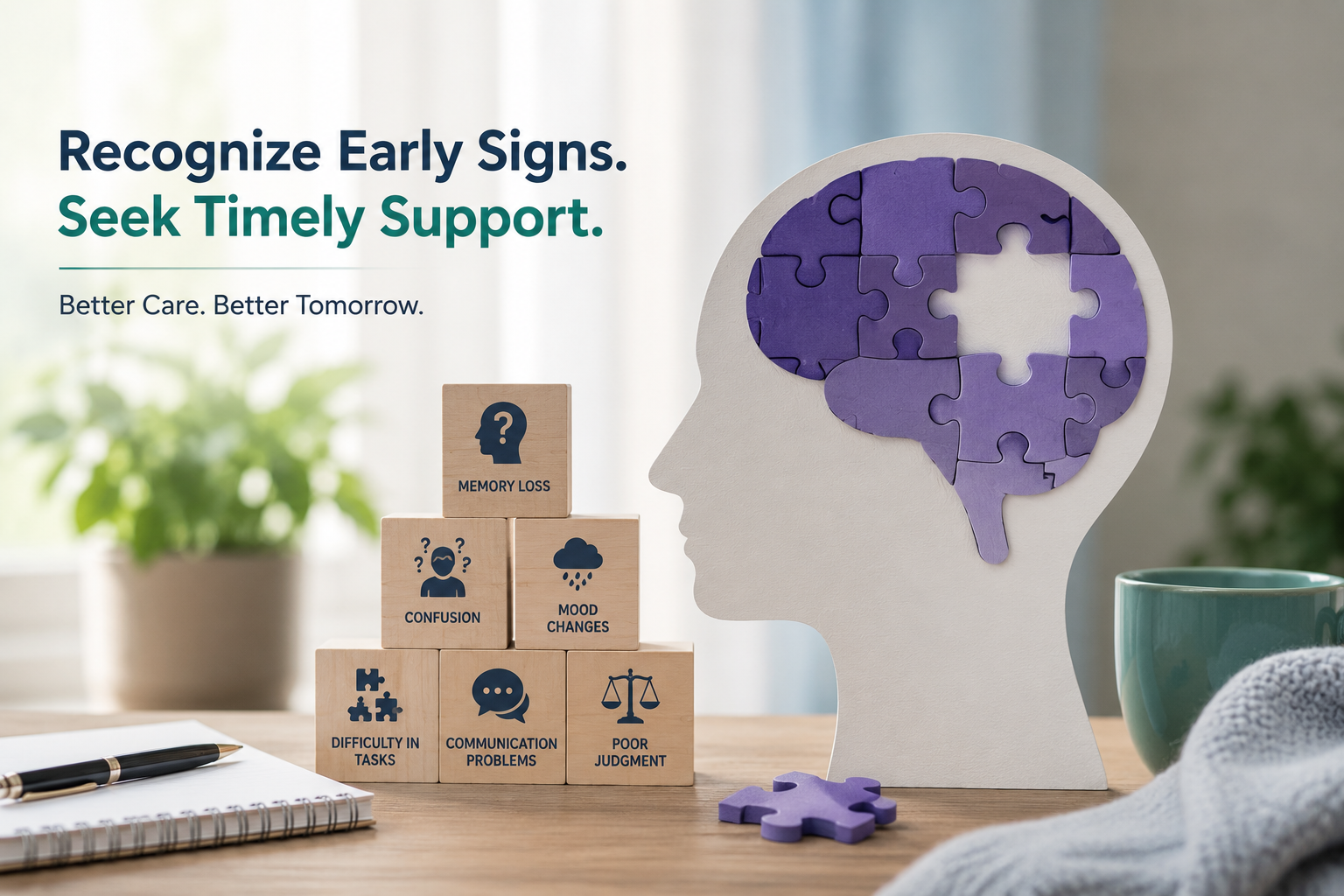
Early Signs of Dementia You Should Never Ignore
Recognizing symptoms early allows families to prepare and access appropriate care.
1. Frequent Memory Loss
Occasionally forgetting names is normal. However, repeatedly forgetting recent conversations, appointments, or important events may indicate cognitive decline.
2. Difficulty Completing Familiar Tasks
Simple activities like cooking, paying bills, or operating household appliances become increasingly challenging.
3. Confusion About Time and Place
Individuals may lose track of dates and seasons or forget where they are despite being in familiar surroundings.
4. Problems with Communication
People may struggle to find the right words, repeat themselves frequently, or have difficulty following conversations.
5. Poor Judgment
Noticeable changes in decision-making, financial management, or personal hygiene often appear during the early stages.
6. Personality and Mood Changes
Depression, anxiety, irritability, withdrawal from social activities, and sudden mood swings are common behavioral changes.
7. Misplacing Objects Frequently
Placing items in unusual locations and being unable to retrace steps can become a recurring issue.
When Should You Seek Professional Help?
Many families delay seeking medical advice because they mistake symptoms for normal aging. However, professional evaluation becomes essential when memory problems begin affecting daily life.
Seek medical attention if your loved one:
- Frequently forgets important information
- Gets lost in familiar places
- Has trouble managing finances
- Shows sudden personality changes
- Experiences increasing confusion
- Requires assistance with everyday activities
- Repeats the same questions regularly
Early diagnosis allows healthcare professionals to recommend personalized dementia care services and appropriate treatment plans.
How Dementia Care Services Improve Quality of Life
Professional dementia care services focus on maintaining independence while ensuring safety and emotional well-being.
These services typically include:
- Personalized care planning
- Medication management
- Cognitive stimulation activities
- Mobility assistance
- Nutritional support
- Personal hygiene assistance
- Emotional companionship
- Family caregiver support
A structured care plan helps patients maintain dignity while reducing caregiver stress.
The Importance of a Care Continuum
Managing dementia requires long-term planning rather than short-term treatment. A well-planned care continuum ensures patients receive appropriate support as their condition progresses.
This approach may include:
- Home-based assistance
- Medical supervision
- Rehabilitation services
- Specialist consultations
- Memory care programs
- Palliative support when necessary
A seamless care continuum helps families adapt to changing healthcare needs while ensuring consistent care.
When Palliative Care Becomes Important
As dementia advances, patients often require more comprehensive support focused on comfort and quality of life.
Professional palliative care services in Kolkata can help manage pain, nutritional concerns, emotional distress, and complex health conditions. Families looking for compassionate support may benefit from specialized palliative care services for cancer patients, as many principles of comfort-focused care, symptom management, and family support are equally valuable when caring for individuals with advanced neurological conditions.
Similarly, access to quality palliative care in Kolkata ensures patients receive holistic care that addresses both physical and emotional needs while supporting family caregivers.
Is an Extended Care Facility Necessary?
Not every person living with dementia requires institutional care. However, an extended care facility may become the safest option if:
- Continuous supervision is needed
- Severe mobility issues develop
- Behavioral symptoms become difficult to manage
- Family caregivers experience burnout
- Complex medical conditions require round-the-clock attention
Choosing the right extended care facility depends on the individual’s health, safety requirements, and family preferences.
Dementia Care in India Is Growing Rapidly
With India’s aging population increasing steadily, the need for specialized dementia support continues to grow. According to the India Dementia Treatment Market Outlook by Grand View Research, growing awareness, improved diagnosis, and advancements in treatment are expected to drive the expansion of dementia-related healthcare services across the country. This trend reinforces the importance of investing in timely diagnosis, comprehensive treatment, and professional caregiving solutions.
Tips for Families Caring for Someone with Dementia
- Maintain a consistent daily routine.
- Encourage mental stimulation through simple activities.
- Keep communication calm and reassuring.
- Remove household safety hazards.
- Schedule regular medical check-ups.
- Monitor medications carefully.
- Seek professional dementia care services before symptoms become severe.
- Join caregiver support groups for guidance and emotional support.
Conclusion
Recognizing dementia early allows families to make informed decisions and access appropriate dementia care services before symptoms worsen. From memory support and daily assistance to specialized palliative care services in Kolkata, a proactive approach significantly improves quality of life. Whether care is provided at home, through a structured care continuum, or in an extended care facility, early intervention remains the key to preserving independence, dignity, and overall well-being.
Frequently Asked Questions
- What are the first warning signs of dementia?
Early signs include memory loss, confusion, difficulty completing familiar tasks, poor judgment, personality changes, and communication problems.
- When should I seek dementia care services?
You should seek dementia care services when memory problems begin interfering with daily activities, safety, or independent living.
- Can dementia be cured?
There is currently no cure for most forms of dementia, but early diagnosis and treatment can help manage symptoms and improve quality of life.
- What is the role of a care continuum in dementia management?
A care continuum ensures patients receive coordinated support throughout every stage of dementia, from home care to advanced medical and supportive care.
- How do palliative care services in Kolkata help dementia patients?
Palliative care services in Kolkata focus on improving comfort, managing symptoms, providing emotional support, and enhancing the overall quality of life for patients with advanced dementia.
- When should someone consider an extended care facility?
An extended care facility may be appropriate when a person with dementia requires continuous supervision, specialized medical attention, or round-the-clock professional care that cannot be safely provided at home.